
Caring for the Ocean Starts at the Shore: A Beach Clean-Up at Loedi Beach, Rote Ndao
Written by Putri Farah Navila, Conservation and Education Officer, Rote Project
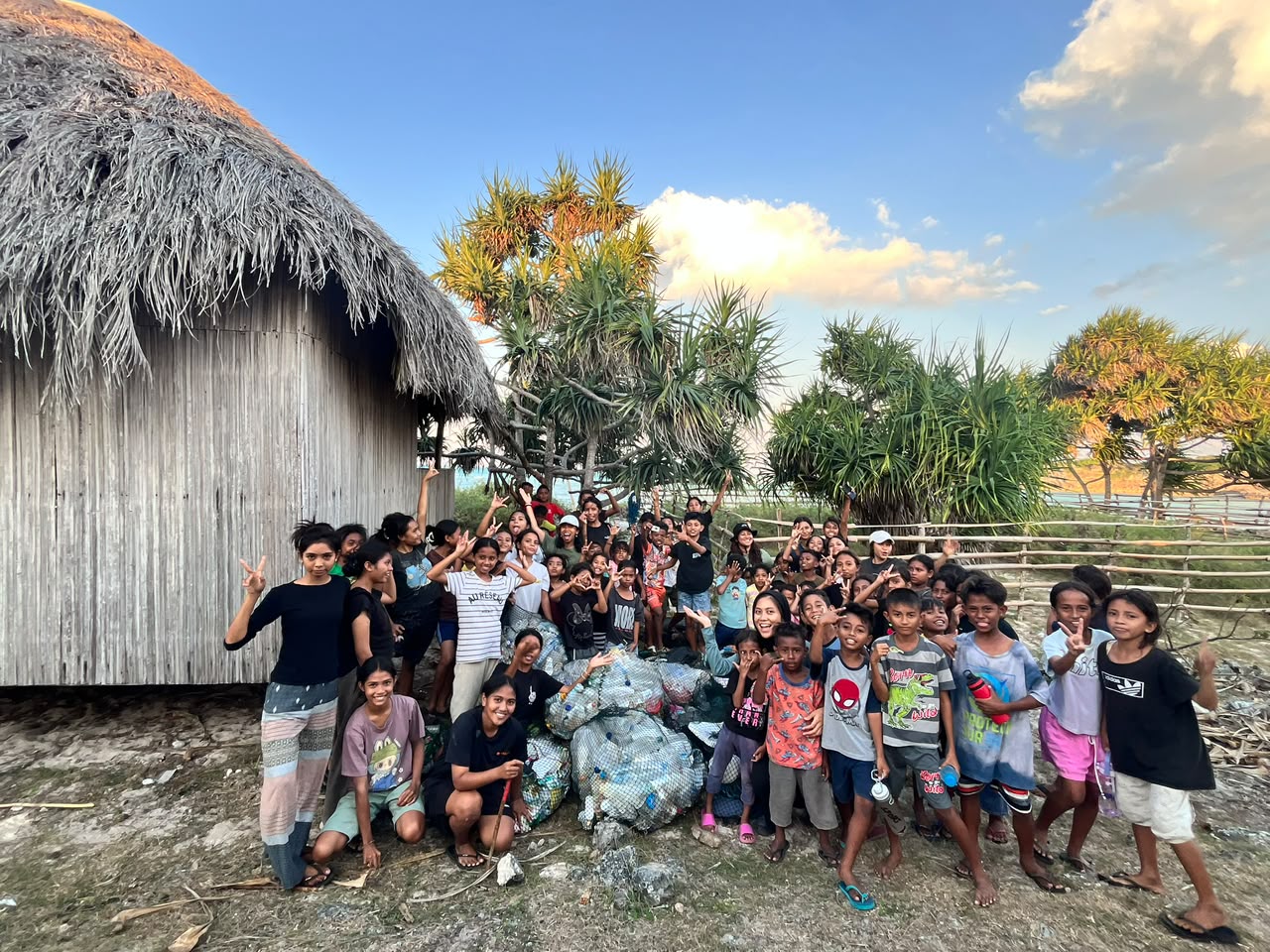
Healthy oceans begin with clean beaches. This simple message inspired a community beach clean-up at Loedi Beach in Bo’a Village, Rote Ndao Regency, on Monday, 8 June 2026, in celebration of World Oceans Day. Under this year’s global theme, “Reimagine: Beyond the World We Know, A New Relationship With Our Ocean,” the event encouraged people to rethink and strengthen their relationship with the ocean by embracing more responsible actions in their everyday lives.
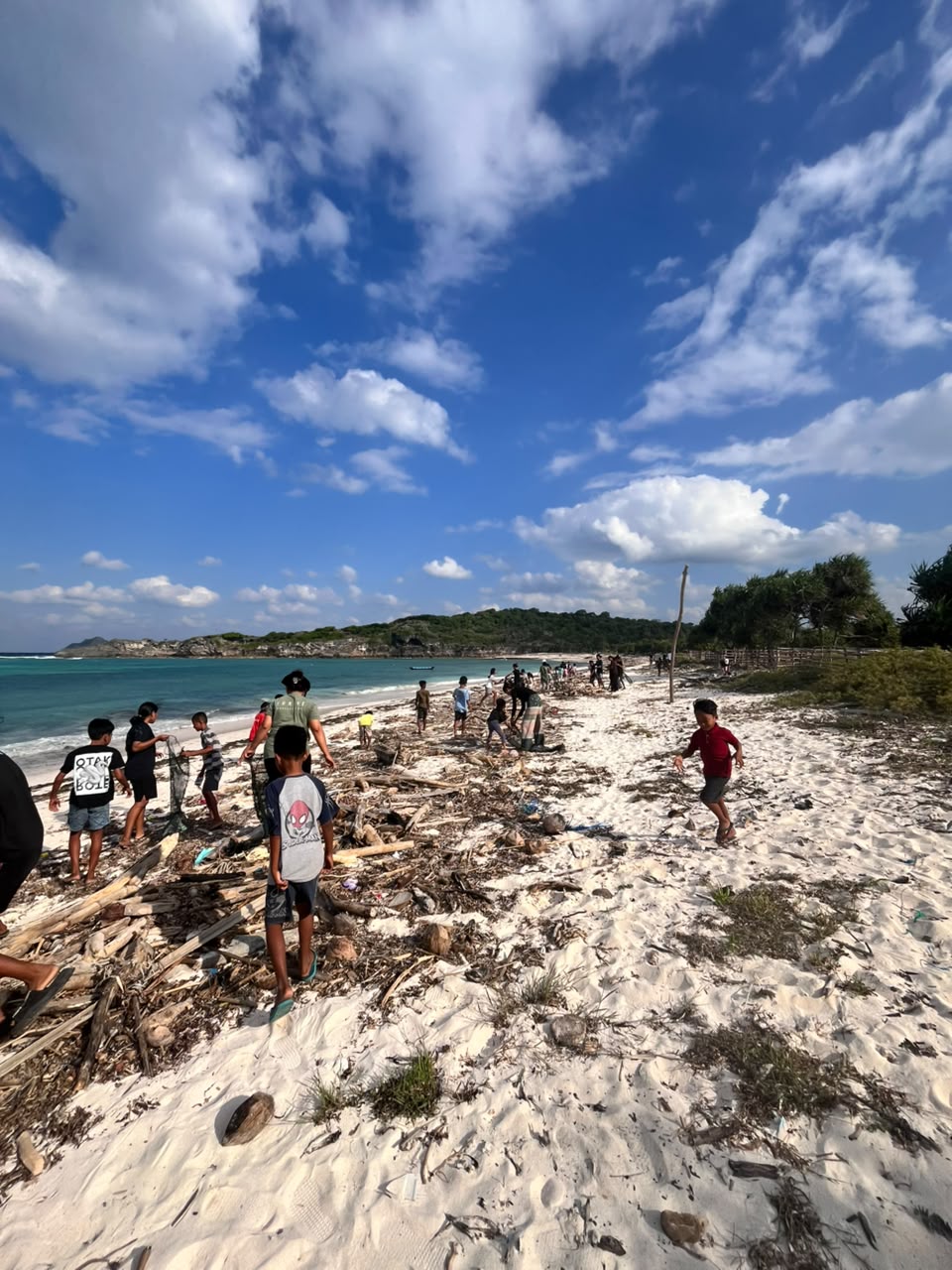
Loedi Beach clean-up in process. Photo by Thrive Conservation
The event brought together approximately 68 participants, the majority of whom were children and teenagers from Bo’a Village and members of the Bo’a Ranger youth group. They were joined by other community members, including representatives of the village’s Community-Based Marine Surveillance Group (Pokmaswas), who worked together to clean approximately 200 metres of coastline.
In addition to collecting inorganic waste washed ashore, participants sorted the debris into different categories to better understand the types of marine litter affecting their local coastline. By the end of the activity, a total of 179.6 kilograms of waste had been collected, consisting of:
Plastic Bottles, Cups, and Packaging (94.8 kg)
Plastic bottles and cups (63.6 kg), together with plastic packaging (31.2 kg), made up the largest share of the waste collected. Most of these items were single-use food and beverage packaging that people use every day. While they may have originated from various sources, their abundance highlights the widespread reliance on disposable plastics in daily life. The findings serve as an important reminder that reducing the use of single-use plastics and adopting more sustainable alternatives are essential steps toward preventing marine pollution.
Rubber and Fishing Nets (57.3 kg)
The second largest category consisted of rubber materials and fishing nets, totalling 57.3 kg. Most of the rubber waste comprised discarded footwear, such as sandals and shoes, along with fragments of other synthetic materials. These items likely originated from land-based sources, although some may also have been transported by ocean currents from surrounding areas. Fishing nets were also found, reflecting the presence of active fisheries in the waters around Rote Island. When lost or improperly discarded, fishing gear can persist in the marine environment, posing risks to coastal habitats and marine wildlife.
Metal and Glass (27.5 kg)
This category consisted mainly of discarded food and beverage cans, along with both intact and broken glass bottles, many of which were also designed for single use. Although metal and glass are recyclable materials, they can still pose risks if not properly managed. Broken glass can injure beach visitors, while both materials may remain in the environment for long periods and diminish the quality of coastal habitats.
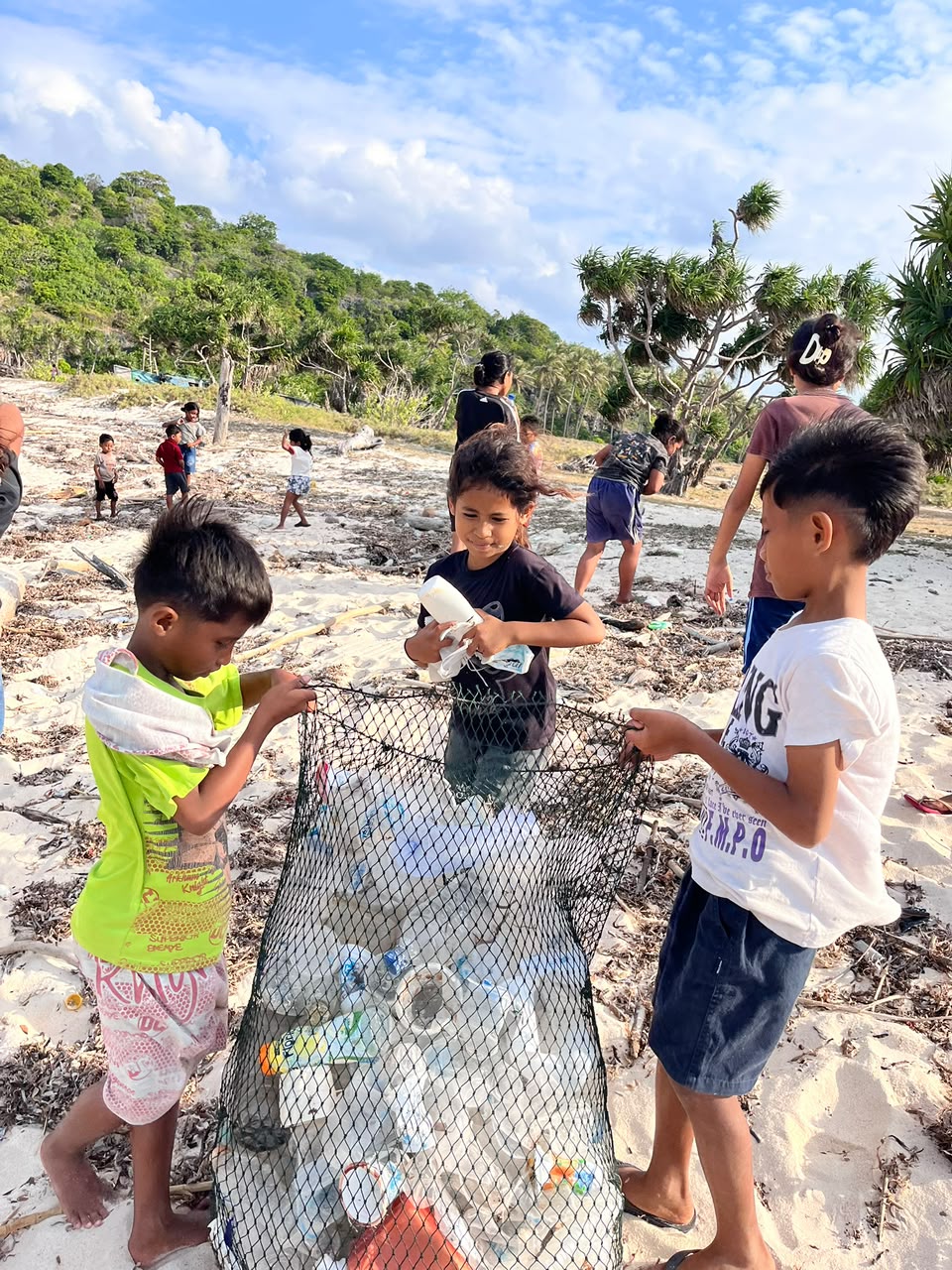
Local children collecting plastic bottles and cups from the beach. Photo by Thrive Conservation
The findings from the Loedi Beach clean-up demonstrate that tackling marine litter requires more than periodic beach clean-up activities. Lasting solutions depend on strengthening waste management systems on land. Improving access to waste management facilities and collection services, while promoting household practices such as reducing, sorting, and properly disposing of waste, are essential steps to prevent litter from entering coastal and marine ecosystems.
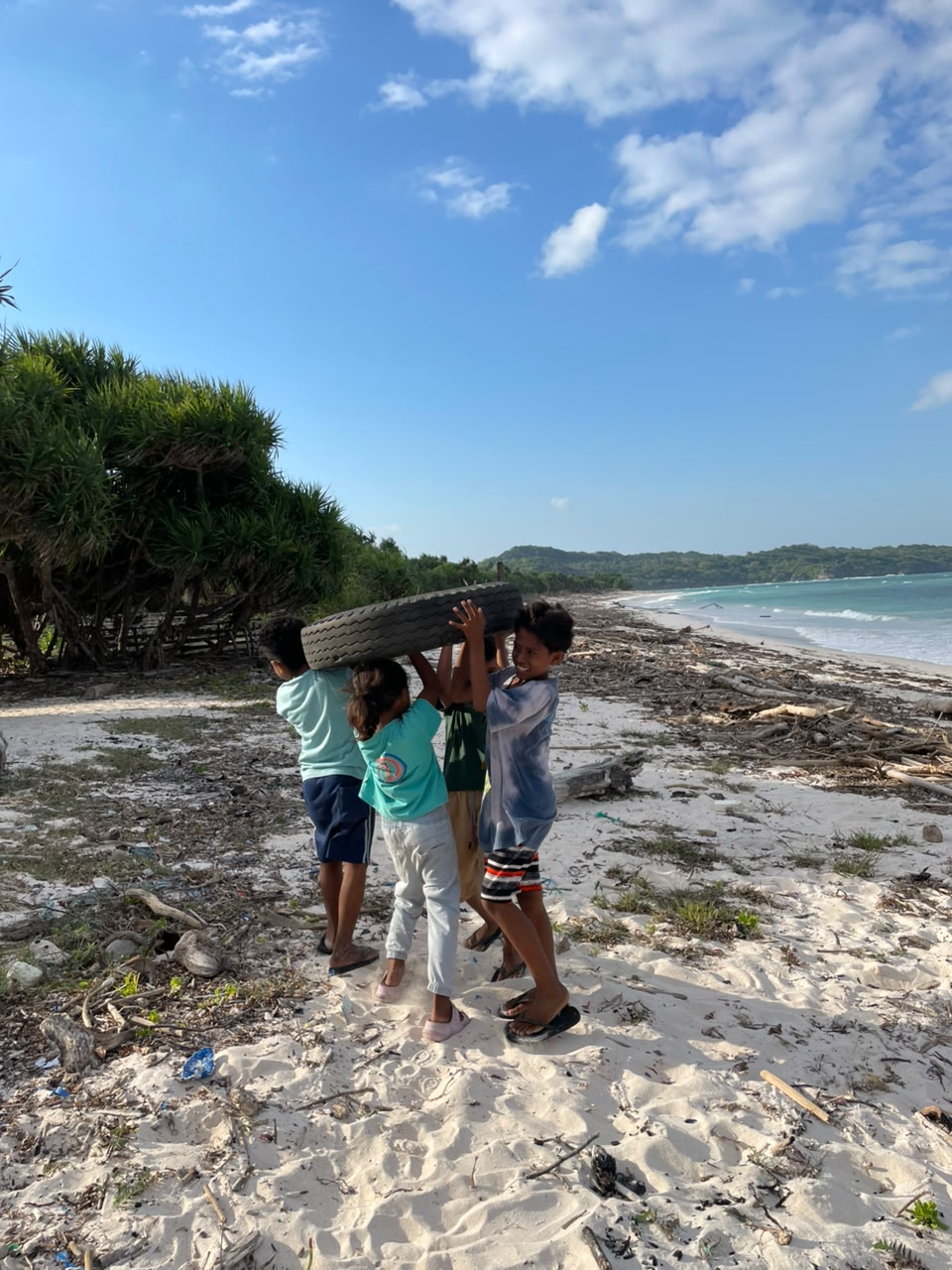
Even a car tyre found it’s way onto the beach. Photo by Thrive Conservation.
Waste management remains a significant challenge on small islands such as Rote. In addition to community behaviour, geographical constraints and the high costs of developing and maintaining waste management infrastructure make effective waste management particularly difficult. As a result, some households still burn their waste due to the limited disposal options available. Temporary waste collection facilities are also scarce, and waste collection services do not yet reach all communities. These challenges increase the likelihood that waste will remain in the environment or be carried into rivers and coastal waters by wind and rainfall, ultimately contributing to marine pollution.
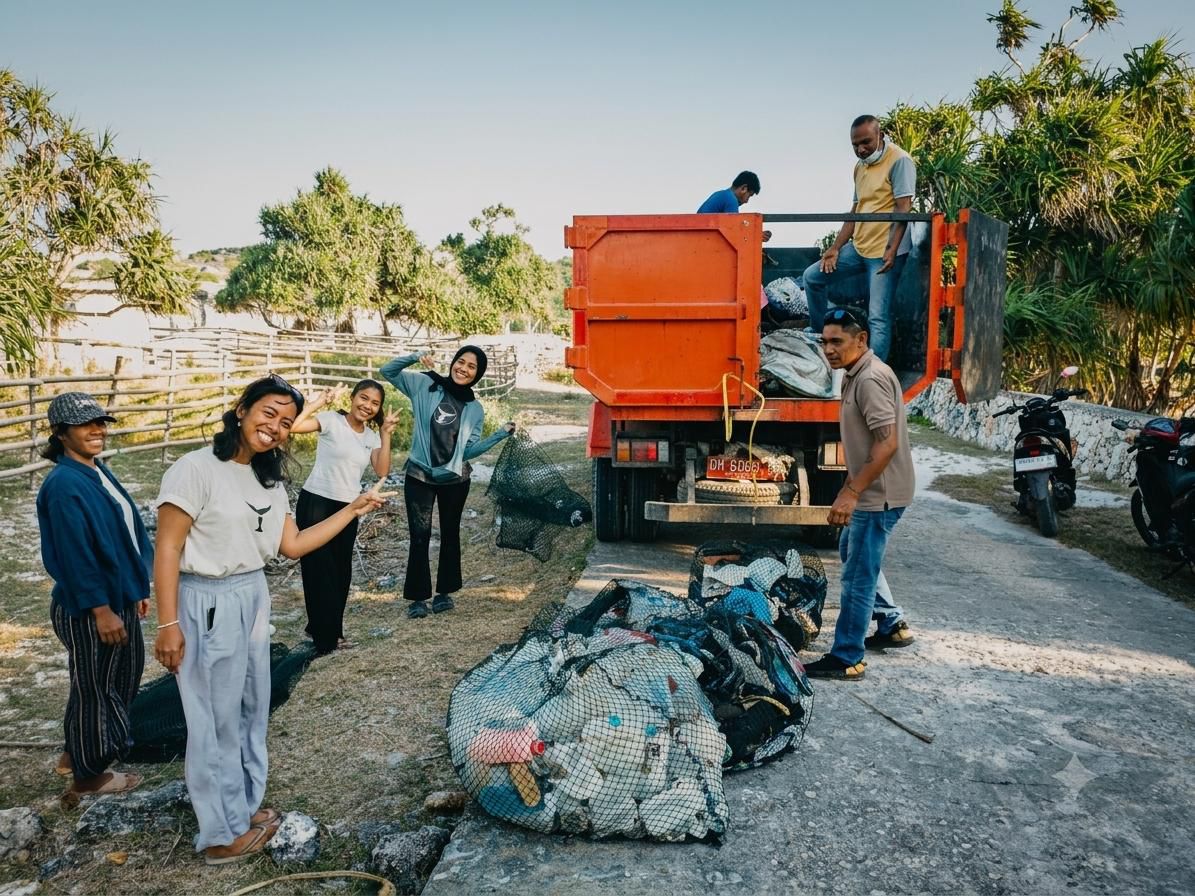
The beach clean-up waste being collected by PKPLH for proper disposal. Photo by Dinas Perumahan, Kawasan Pemukiman dan Lingkungan Hidup (PKPLH)
Following the clean-up, all collected waste was transported with the support of the Rote Ndao Regency Department of Housing, Settlement Areas, and Environment (PKPLH) to ensure it was managed responsibly. While community participation is fundamental, strong government support is equally essential to building effective waste management systems and reducing marine pollution on small islands like Rote.
Beyond removing litter from the shoreline, the event also served as an important educational opportunity, particularly for the younger generation. By sorting the collected waste into different categories, participants gained first-hand insight into the types of debris that most commonly pollute marine ecosystems.
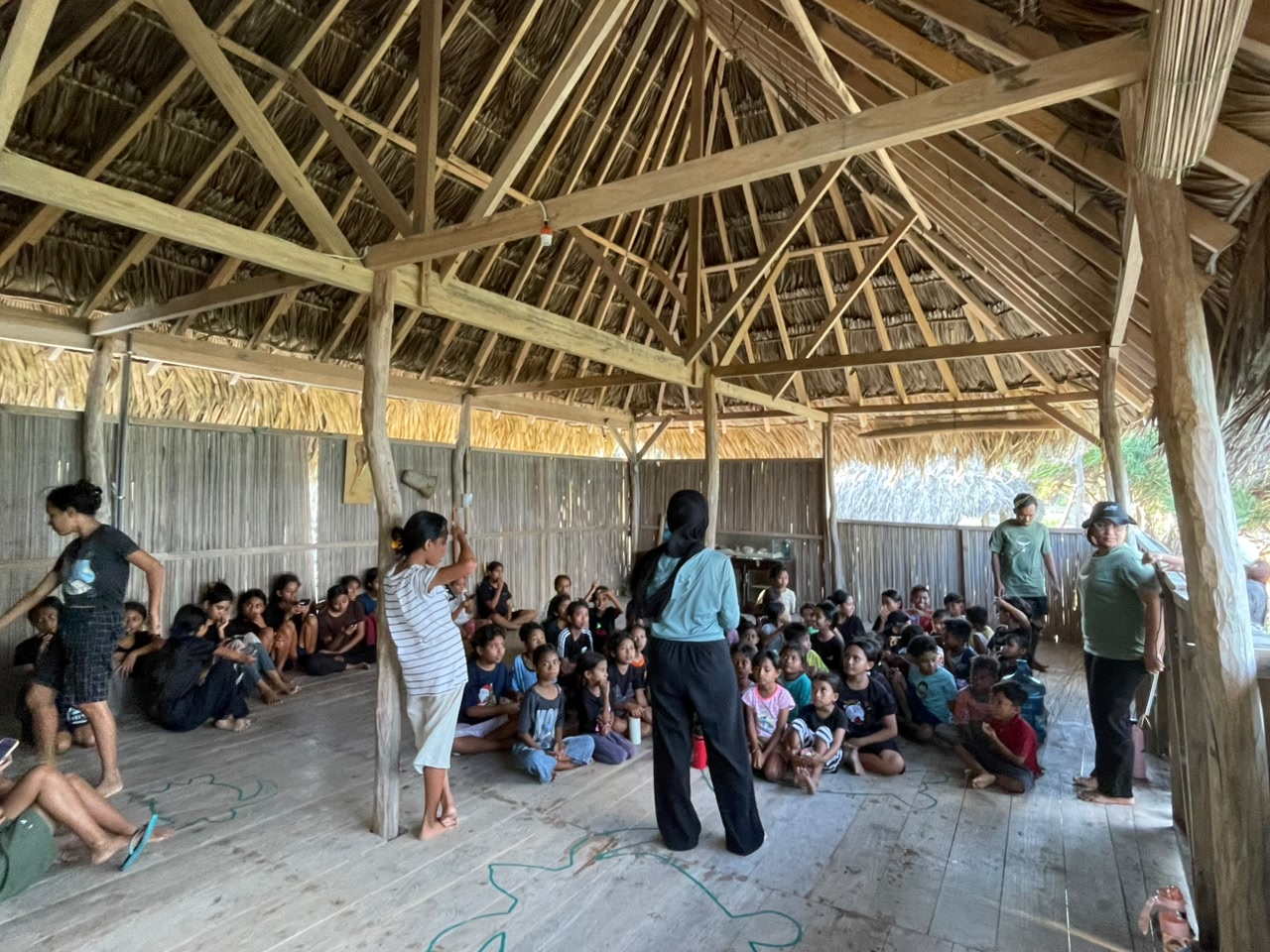
Post clean-up debrief and educational talk with the local children. Photo by Thrive Conservation
Marine litter does more than diminish the beauty of the coastline, it can have long-lasting impacts on both the environment and human well-being. Plastics are of particular concern because they degrade very slowly, gradually breaking down into tiny particles known as microplastics. These microplastics can be ingested by marine organisms, enter the food chain, and ultimately pose potential risks to human health.
Protecting the ocean is about more than marking an annual celebration, it requires a long-term commitment and everyday action. It is hoped that initiatives like this will inspire the younger generation in Rote Ndao to become active stewards of their coastal environment and to recognise that caring for the ocean begins with the choices we make each day. Small, consistent actions taken by many people can create meaningful and lasting change for our oceans.